
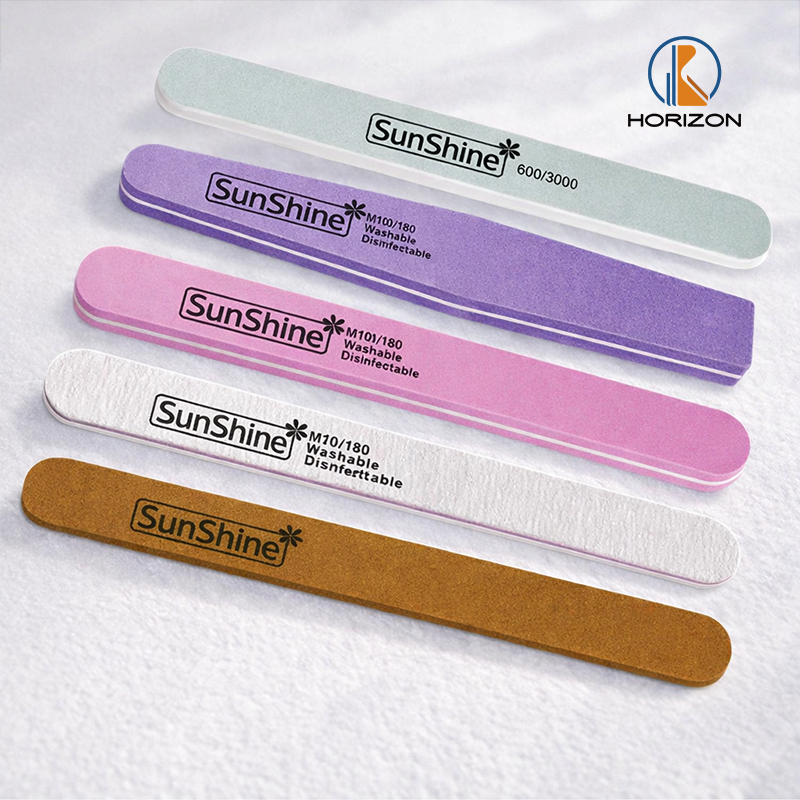
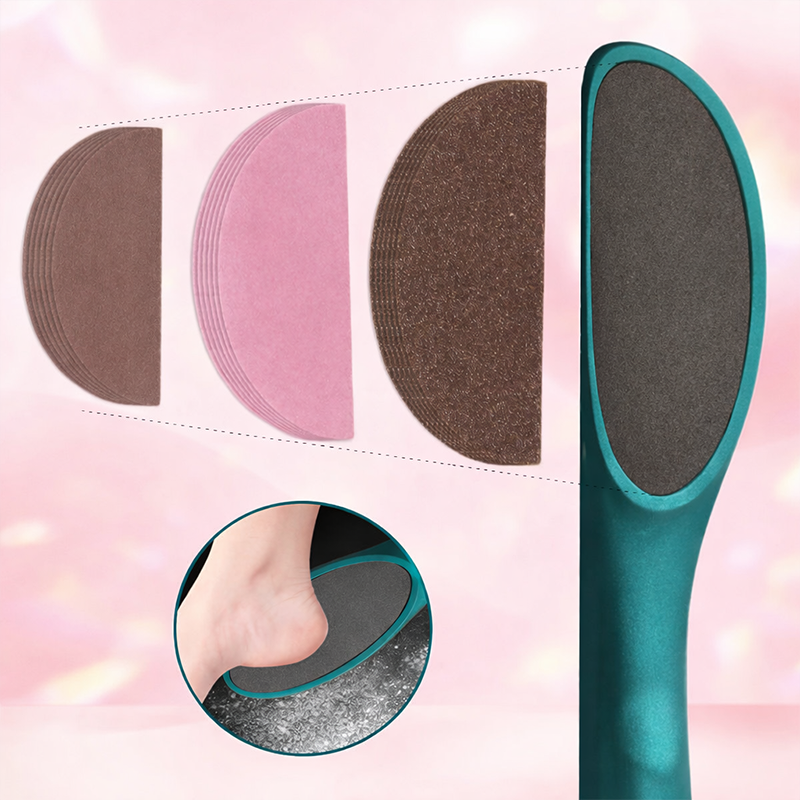
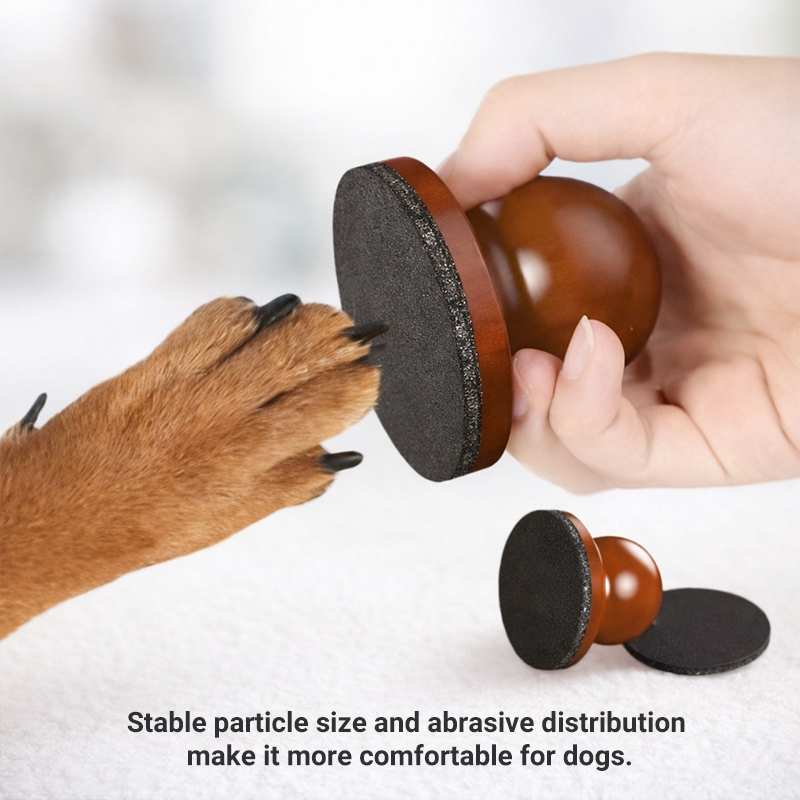
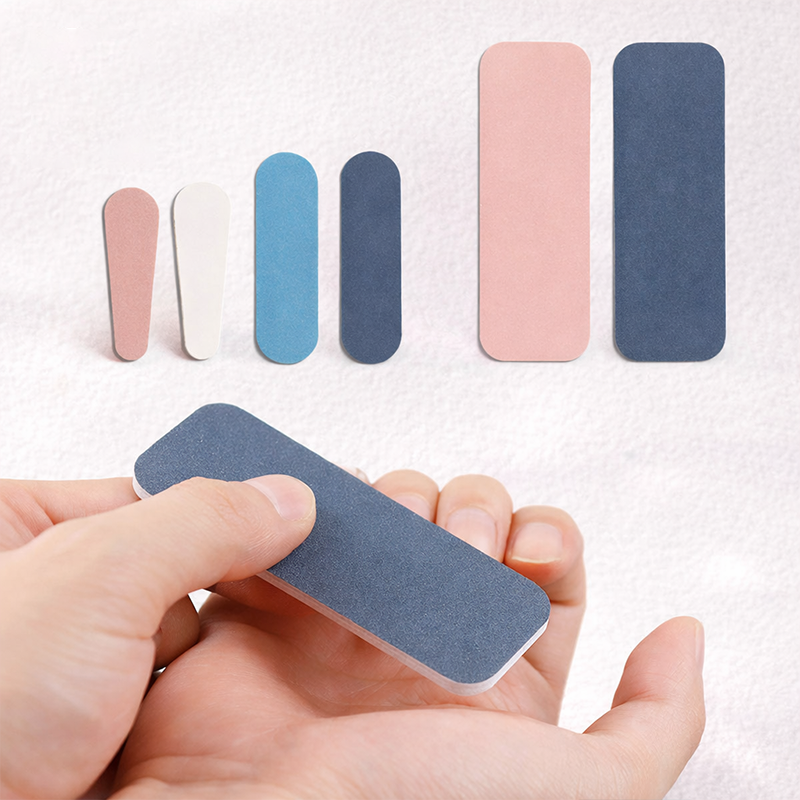
Nail files are built as a system of core + abrasive layer + bonding/lamination + shape, and defined by a grit strategy:
Extensions include buffer strips, 4-way buffers, and buffer blocks.
Nail files and emery boards are fundamental abrasive tools for salon and personal care—used for shaping the free edge, refining the nail surface, and transitioning into buffing/polishing steps. Their value is not just speed, but control, comfort, and reduced damage—minimizing over-filing, edge splitting, and roughness while delivering a refined look and feel.
For brands and distributors, nail files are high-repeat consumables; a clear spec system and private label packaging strongly impact market fit and margin.
————————————————————————————————————————————————————————————————————————————————————
|
Параметр |
Спецификация |
| Type |
Nail files / Emery boards |
|
Core |
Wood / Plastic / Foam core |
| Grit |
60–320 Grit (Typical, Extendable) |
|
Common pairs |
80/100, 100/180, 180/240, 240/320 |
| Форма |
Straight/Curved/Banana/Contoured |
|
Размер |
5.5″–7″ Length (Custom) |
| Thickness |
Thin/Standard/Thick options |
|
Surface |
Single/Double-sided, Laminated/Water-resistant |
| Color |
Customizable |
|
Упаковка |
OPP bag/Color box/Kits/Private label |
————————————————————————————————————————————————————————————————————————————————————
————————————————————————————————————————————————————————————————————————————————————
A grit chain delivers different outcomes:
The professional approach is progressive refinement—not forcing smoothness with coarse grit, which increases damage and fraying.
————————————————————————————————————————————————————————————————————————————————————
————————————————————————————————————————————————————————————————————————————————————
| Dimension | Wood Core | Foam Core |
| Rigidity | High (Firm & unyielding) | Low to Medium (Flexible/Cushioned) |
| Precision | Excellent for sharp edges/shaping | Better for surface buffing/smoothing |
| Durability | High resistance to bending | May lose shape over time |
| Ergonomics | Traditional feel | “Soft-touch” reduces pressure on the nail |
| Dimension | Straight (Rectangle) | Half-Moon (Arc) |
| Best For | Sidewall shaping and free edge leveling | Cuticle area contouring and surface filing |
| Control | High stability for straight lines | Ergonomic grip for curved movements |
| Versatility | Standard professional tool | All-in-one (Straight edge + Curved edge) |
| Grit Level | Aggressiveness | Risk to Natural Nails | Recommended Use |
| 80 / 100 | Extreme | High: Can cause thinning and trauma | Artificial nail/Gel removal only |
| 150 / 180 | Средний | Moderate: Use with caution on edges | Shaping strong natural nails |
| 240 / 320 | Fine | Low: Safe for daily maintenance | Smoothing edges and final shaping |
| 400 – 4000 | Ultra-Fine | Zero: Buffing only | High-shine polishing (Shiner) |
————————————————————————————————————————————————————————————————————————————————————
————————————————————————————————————————————————————————————————————————————————————
————————————————————————————————————————————————————————————————————————————————————
OEM/ODM:
Grit pairing (two-sided combos), shape library (straight/curved/banana/contoured), core options (wood/plastic/foam), laminated/water-resistant durability grades, color coding by grit, logo printing, OPP/color box/gift box packaging, and kit programs (shape + refine + buffer items) for channel-specific assortments.
————————————————————————————————————————————————————————————————————————————————————
User experience is driven by consistency:
Stable grit defines cut feel and control, while stable bonding defines durability and reduces shedding. We provide OEM/ODM grit grading and kit programs to build repeatable product lines and improve repurchase and reviews.
————————————————————————————————————————————————————————————————————————————————————
Separate by grit; mixing coarse and fine use increases fraying and damage risk
Files used on extensions should not be reused on natural nails at coarse stages
Tap/brush off dust and keep dry; laminated versions can be wipe-cleaned
Store dry, avoid compression/warping; manage lots FIFO for kits