

+86 18152098328

PPE Safety Products

PPE Safety Products

Product Overview

Covers Two Key Scenarios: Abrasive Dust and Spray Solvent Exposure
Personal Protective Equipment for Grinding, Sanding, Cutting and Spray Painting Workflows

PPE is typically structured into five modules by hazard:

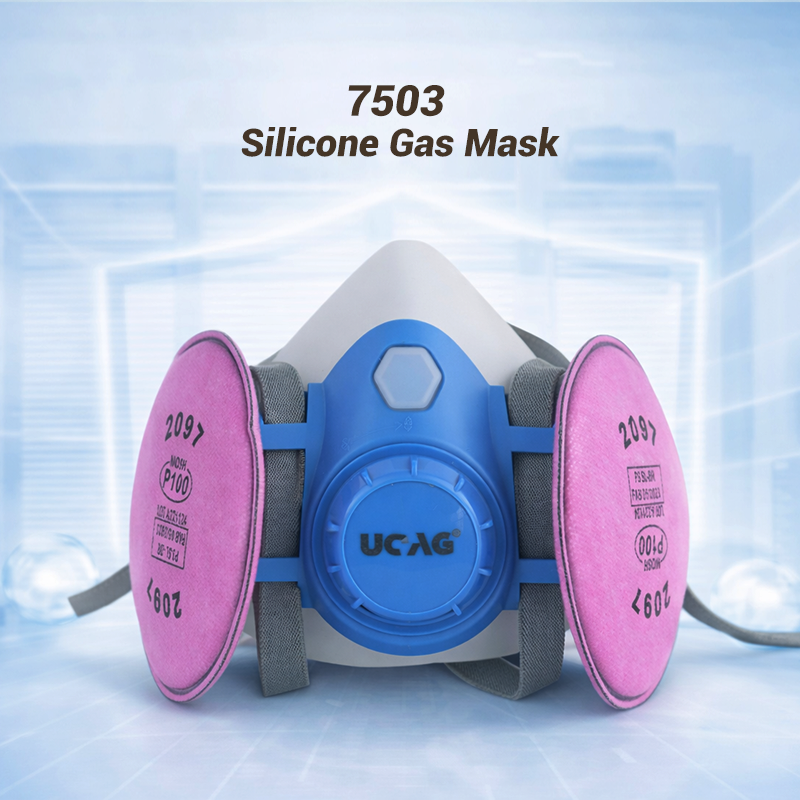
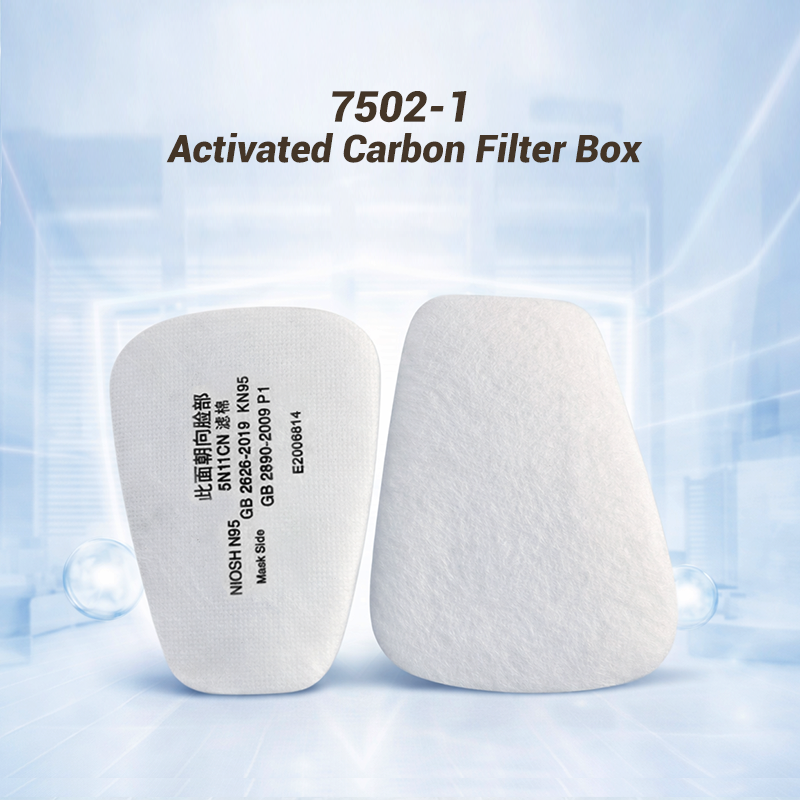
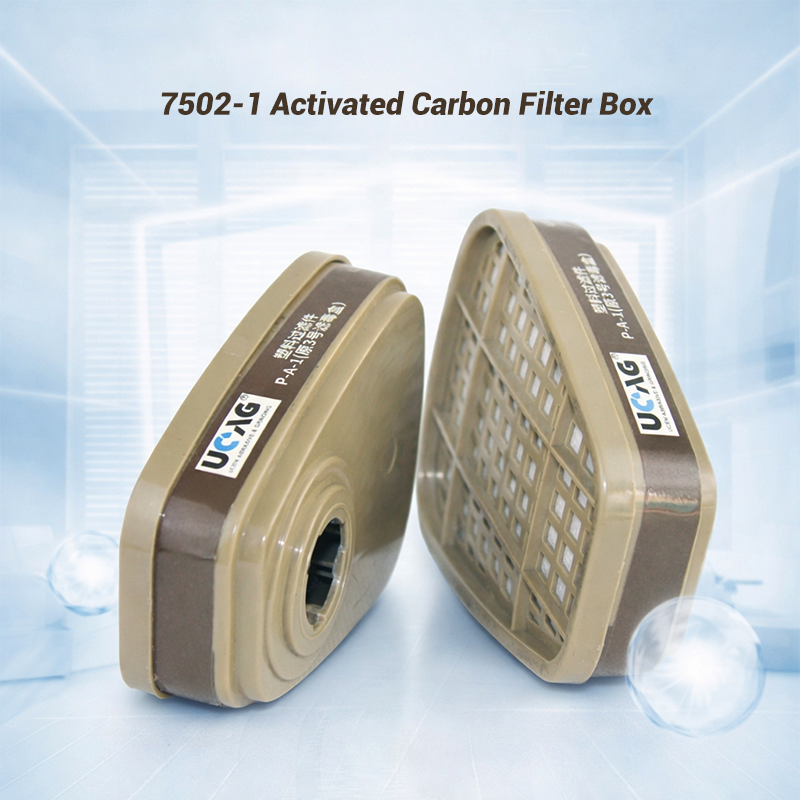
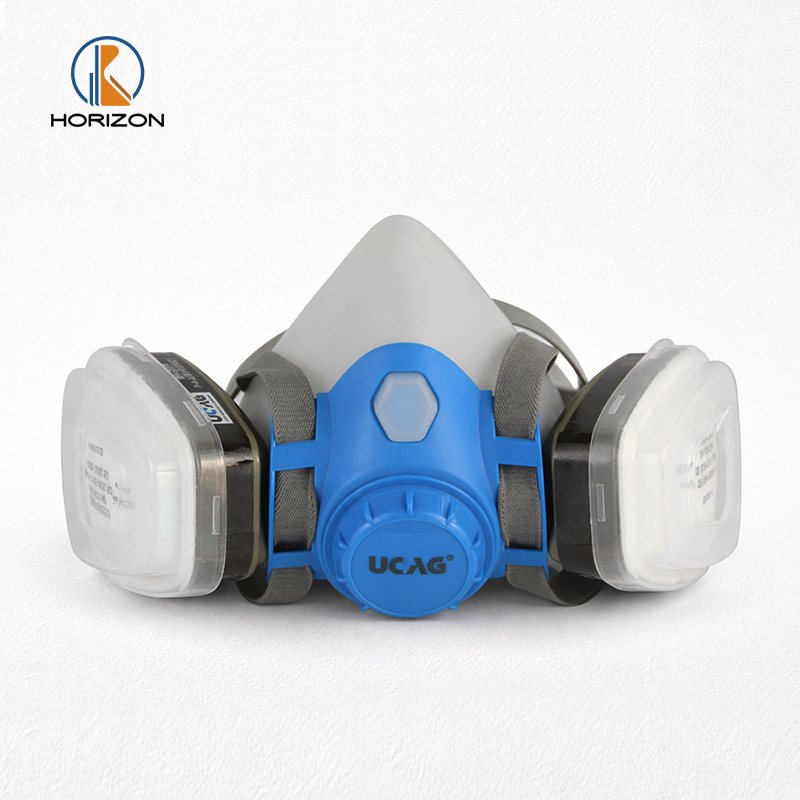
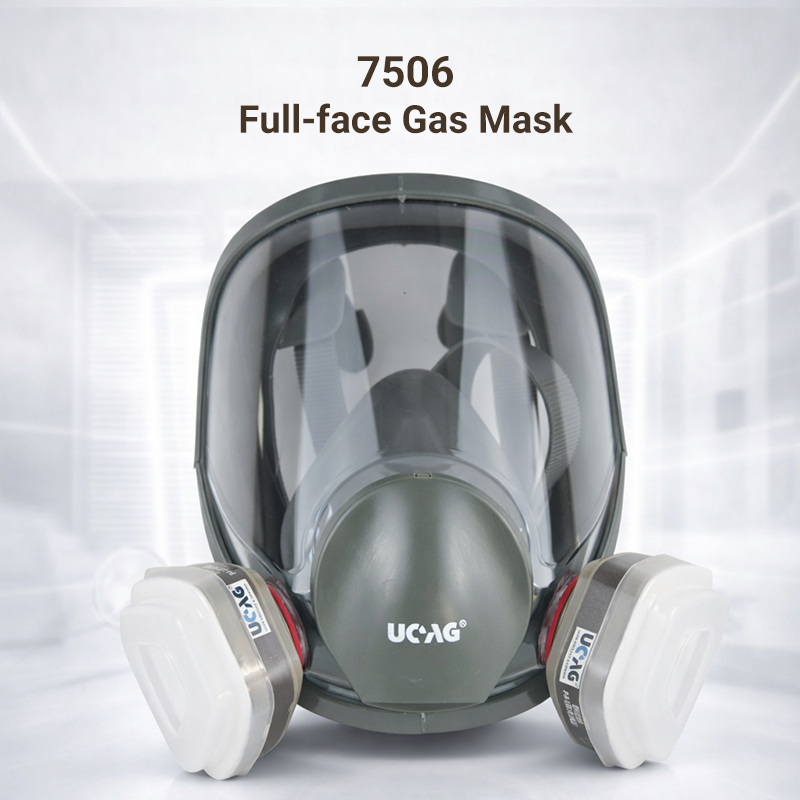
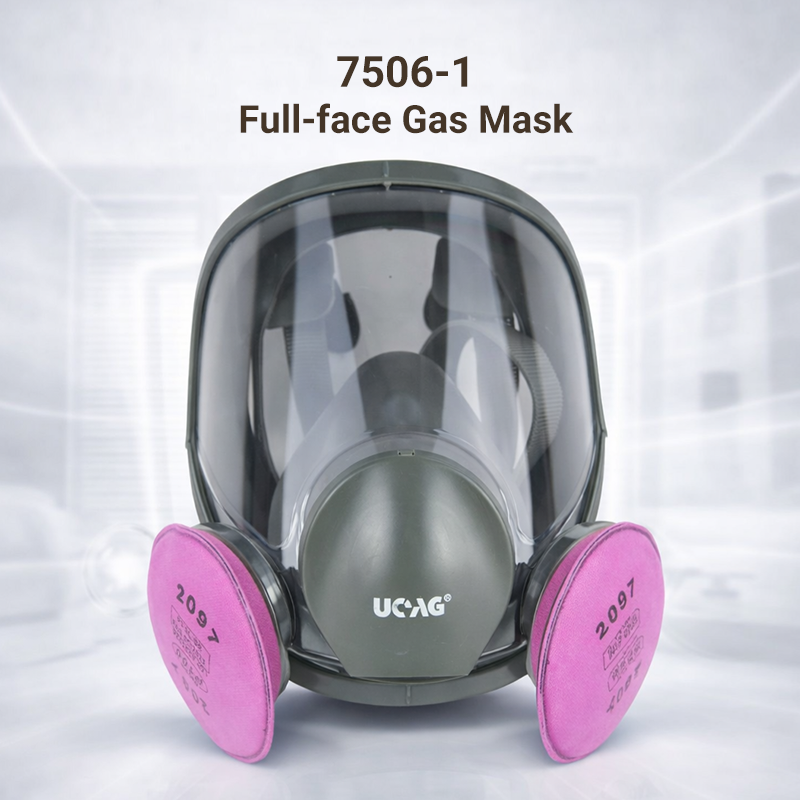
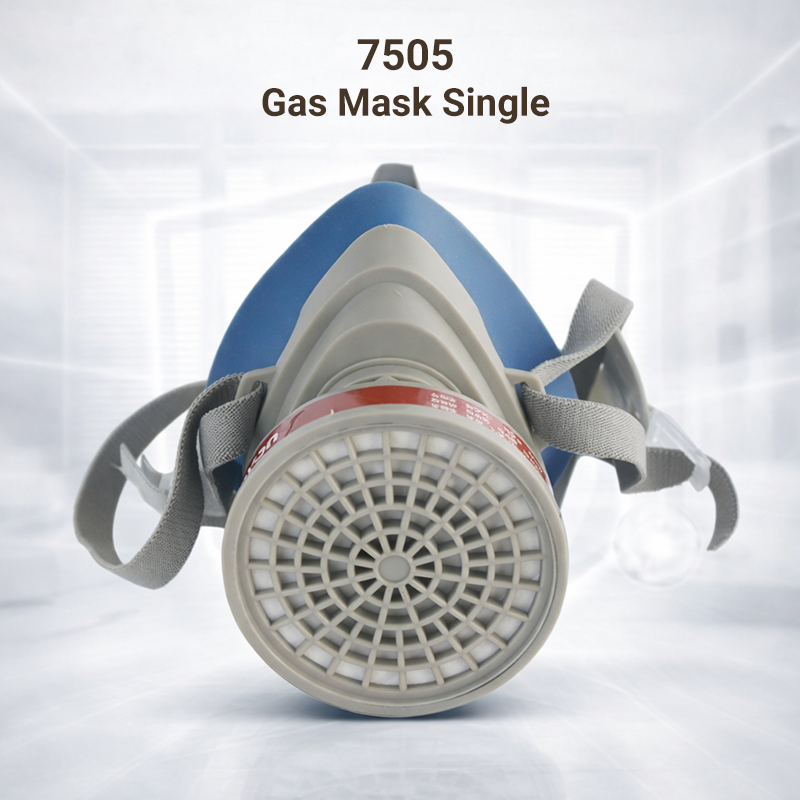
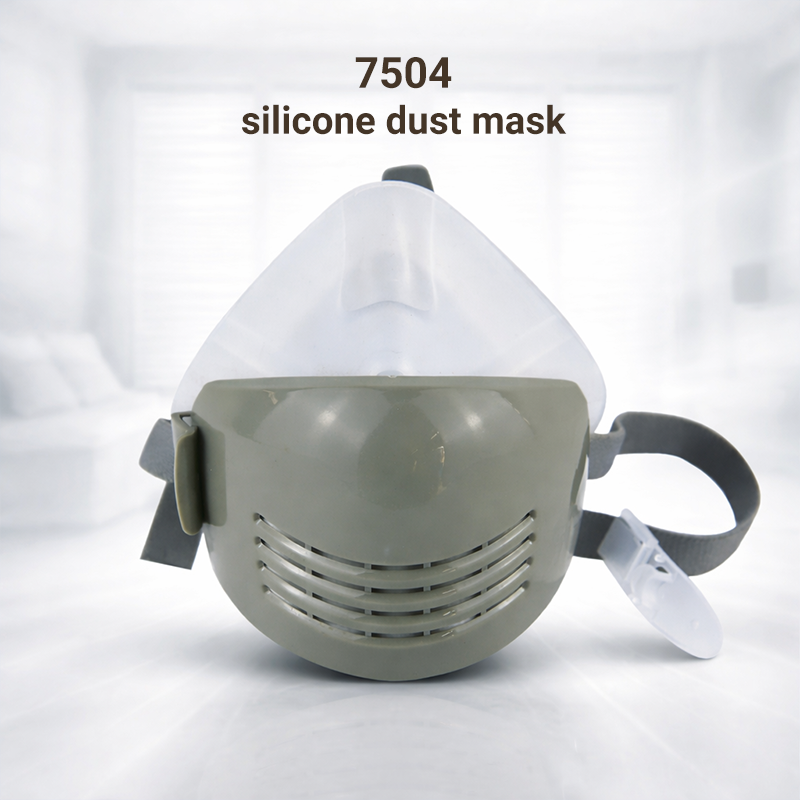
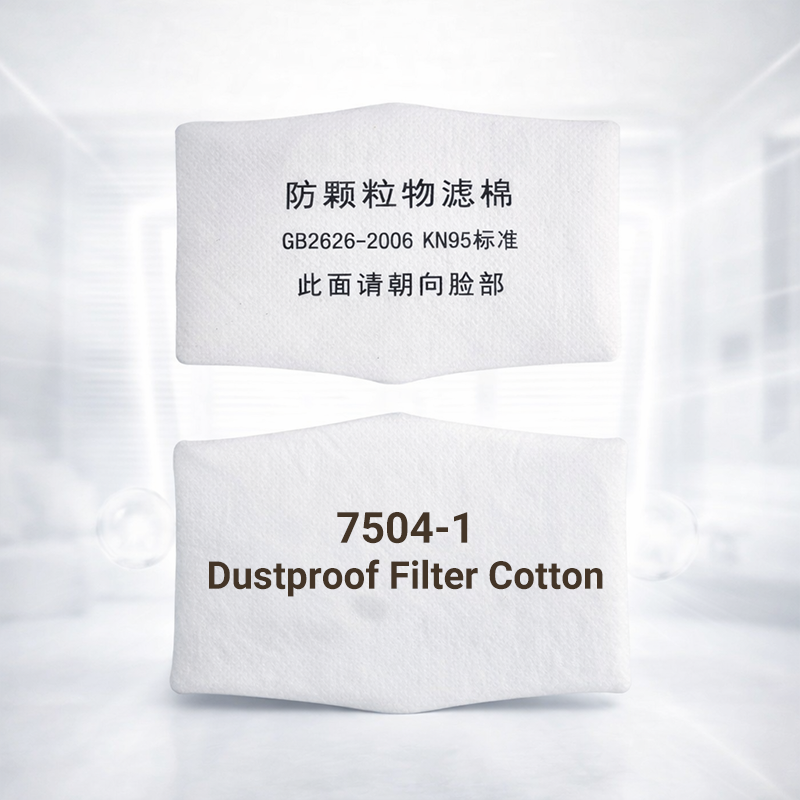
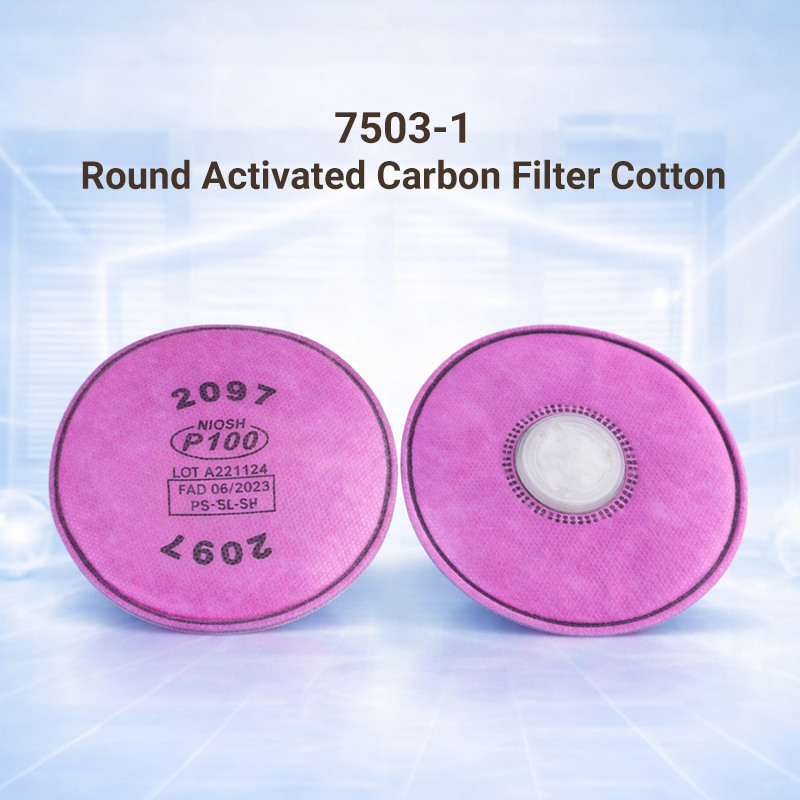
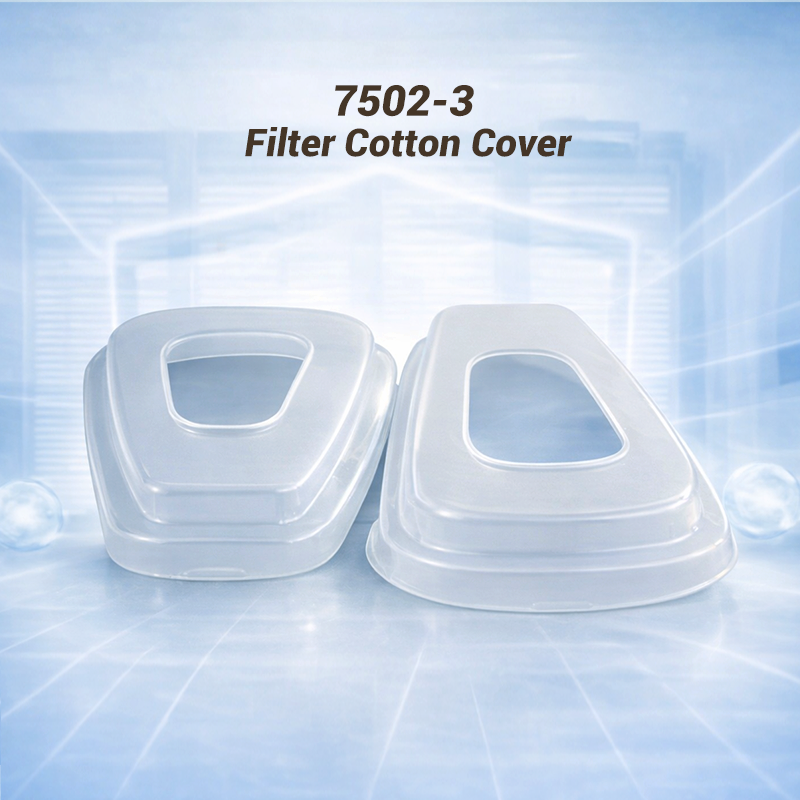
  • Respiratory: dust masks, half/full-face respirators, prefilters and cartridges (dust + organic vapor)
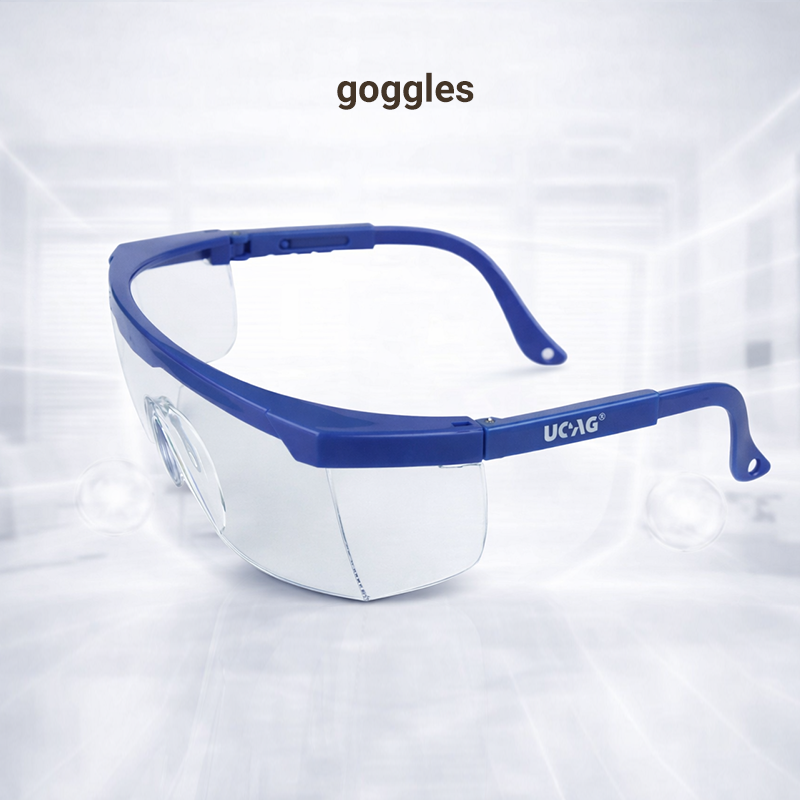
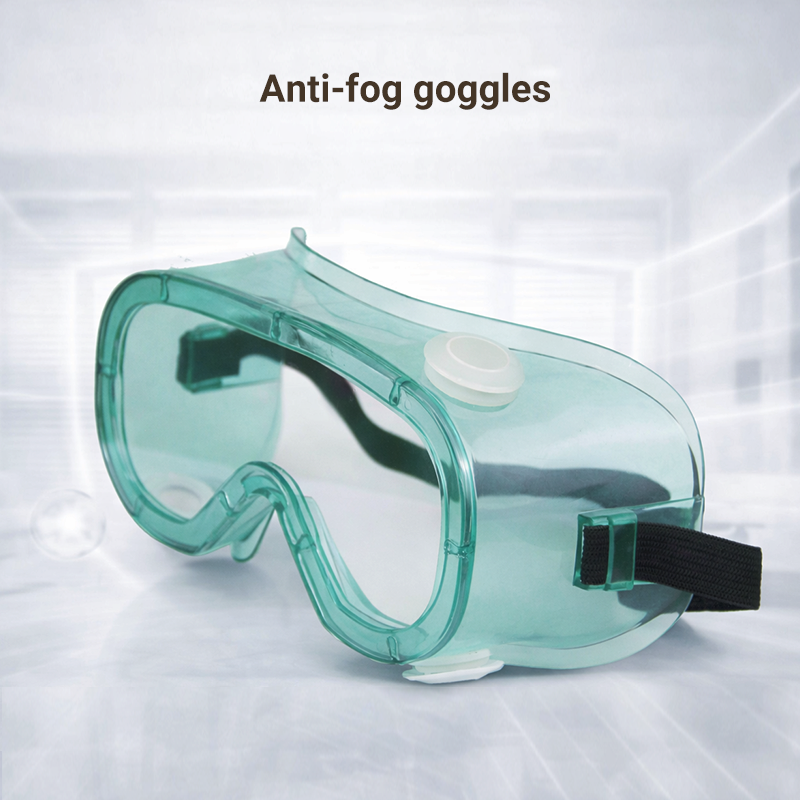
  • Eye/face: goggles, safety glasses, face shields (chips/splashes)
  • Hand: abrasion-resistant, cut-resistant, chemical-resistant gloves
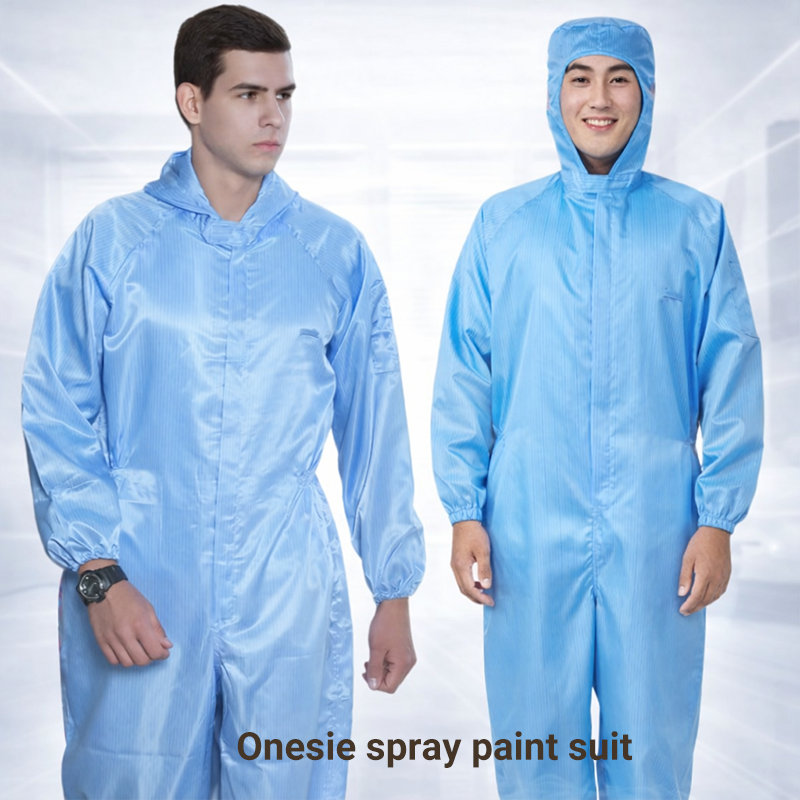
  • Body: disposable/reusable coveralls, dust/splash protection suits
  • Hearing: earplugs/earmuffs for high-noise tools

Correct PPE combinations reduce inhalation, impact/splash injury, and solvent exposure risk.

Product Description

Product Positioning

Baseline Protection for High-Risk Operations: Reduces Injury, Downtime and Compliance Risk

PPE products are positioned as baseline safety provisions for grinding, cutting, sanding, and spray painting operations. The value is not merely “wearing PPE,” but matching the correct equipment to hazard types (dust, sparks, splashes, solvent vapors, noise, cuts, etc.) to reduce injury and downtime risk, while improving compliance and standardized shop management.
For export customers, PPE is also part of supply capability—bundled lists, standardized supply, and private label packaging support channel programs and factory procurement.


—————————————————————————————————————————————————————————————————————————————————————————-

Technical Specifications

Define by Protection Type, Standard, Fit and Consumable Replaceability

Item

Specification
Respiratory type

Dust mask / Half-face / Full-face

Filters

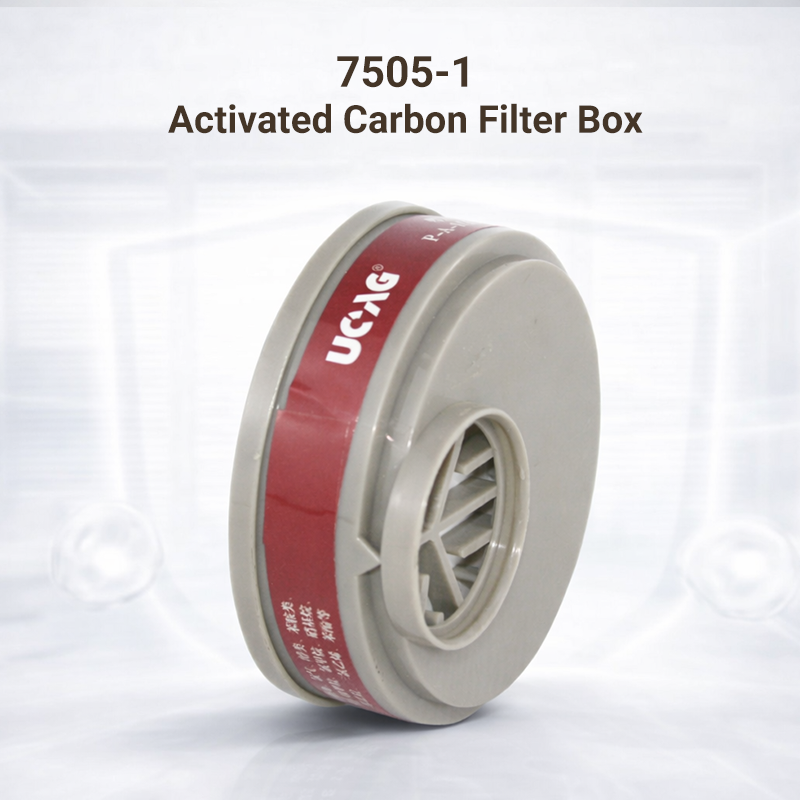
Particulate prefilters / Gas-vapor cartridges
Eye/face

Goggles / Glasses / Face shields

Gloves

Abrasion/Cut/Chemical options
Coveralls

Disposable/Reusable

Hearing

Earplugs/Earmuffs
Sizing

Multiple sizes

Packaging

Standard/Private label/Kits


—————————————————————————————————————————————————————————————————————————————————————————-

Key Features

Fit, Seal, Visibility and Comfort Drive Real Protection
  • Fit and seal determine effectiveness: respirators require proper sealing; leakage defeats high ratings.
  • Visibility/anti-fog: clear vision reduces secondary accidents.
  • Chemical compatibility: spray gloves must resist solvents to prevent swelling/permeation/skin irritation.
  • Comfort drives compliance: better comfort and breathability improve long-duration wear compliance.


—————————————————————————————————————————————————————————————————————————————————————————-

Processing Logic

Select PPE by Hazard Source: Dust, Impact, Vapor, Noise, Cuts

Selection follows hazard identification → layered protection → combined coverage:

  • Grinding/cutting: dust inhalation, chips/sparks, noise, abrasion/cut hazards
  • Spray painting: organic vapor exposure, paint mist particulates, splashes, skin contact

PPE should be used as a system—respiratory + eye/face + gloves + coveralls (as needed) + hearing protection (as needed).


—————————————————————————————————————————————————————————————————————————————————————————-

Machine Compatibility

Grinders, Sanders, Cutters and Spray Booth Workflows
  • Grinding: angle grinders, sanders, belt sanders, polishers (dust and chips)
  • Cutting: saws/cutters (impact and noise)
  • Spray: guns and booths (vapor and paint mist exposure)
  • Key matching: choose comfort and maintainability for long wear (replaceable filters/cartridges systems)


—————————————————————————————————————————————————————————————————————————————————————————-

Engineering Comparison

Dust vs Organic Vapor: Different Filtration Systems

Dimension

Particulate (Dust/Mist) Organic Vapor
Main hazard Dust / Paint mist particles

Solvent vapors / Gases

Typical consumables

Particulate filters / Pre-filters Cartridges / Activated carbon filters
Use cases Sanding, grinding, paint mist filtration

Spray painting, solvent cleaning

Common mistake

Using dust masks instead of vapor protection

Using only vapor protection while ignoring particles (requires combination)


—————————————————————————————————————————————————————————————————————————————————————————-

Typical Applications & Industries

Metal Fabrication, Woodworking, Automotive Refinish and Industrial Coating
  • Metal fabrication: grinding, cutting, deburring, post-weld finishing
  • Woodworking: sanding dust and repetitive operations
  • Automotive refinish: filler/primer sanding and topcoat/clearcoat spraying
  • Industrial coating: production spray lines, maintenance spraying, touch-ups


—————————————————————————————————————————————————————————————————————————————————————————-

Range & Recommended Use

Quick Selection by Process
  • Heavy grinding/high dust: particulate respiratory + goggles/face shield + hearing + abrasion/cut gloves
  • Cosmetic finishing: prioritize clear anti-fog visibility; gloves for dexterity and feel
  • Spraying (solventborne): organic vapor cartridges + particulate prefilters, eye/face protection, chemical gloves, coveralls (as needed)
  • Waterborne/low-solvent: still need particulate protection; vapor protection per chemistry assessment
  • One-line rule: Select respiratory by hazard first, then add eye/hand, then add hearing/splash protection as needed.


—————————————————————————————————————————————————————————————————————————————————————————-

OEM & ODM Capability

Private Label PPE Programs and Workstation Safety Kits

OEM/ODM supported:

Category bundles (grinding kits/spray kits), sizing and colors, private label packaging, channel vs factory configurations, and replenishment programs for replaceable filters/cartridges. We can supply PPE as standardized “safety checklists” aligned to target market standards and workstation hazards.


—————————————————————————————————————————————————————————————————————————————————————————-

Why Choose Us

One-Stop Consumables + PPE = Standardized Stations and Easier Procurement

In grinding and spray operations, PPE and consumables are purchased and managed together. We can bundle abrasives, spray accessories, and PPE into matched lists and kit programs—reducing supplier count, improving supply consistency, and enabling standardized stations that reduce rework and safety incidents.


—————————————————————————————————————————————————————————————————————————————————————————-

Usage & Storage Recommendations

Keep PPE Clean, Replace Filters on Schedule, Store Dry and Sealed
  • Replace filters/cartridges based on usage; replace immediately if odor breakthrough, high breathing resistance, or seal issues occur
  • Keep goggles/face shields clean and scratch-free; anti-fog options help maintain visibility
  • Avoid reusing chemical-exposed gloves/coveralls beyond safe limits; replace per exposure intensity
  • Store dry, shaded, and sealed; segregate PPE by process to avoid abrasive dust contamination

Product Ralated

RU