
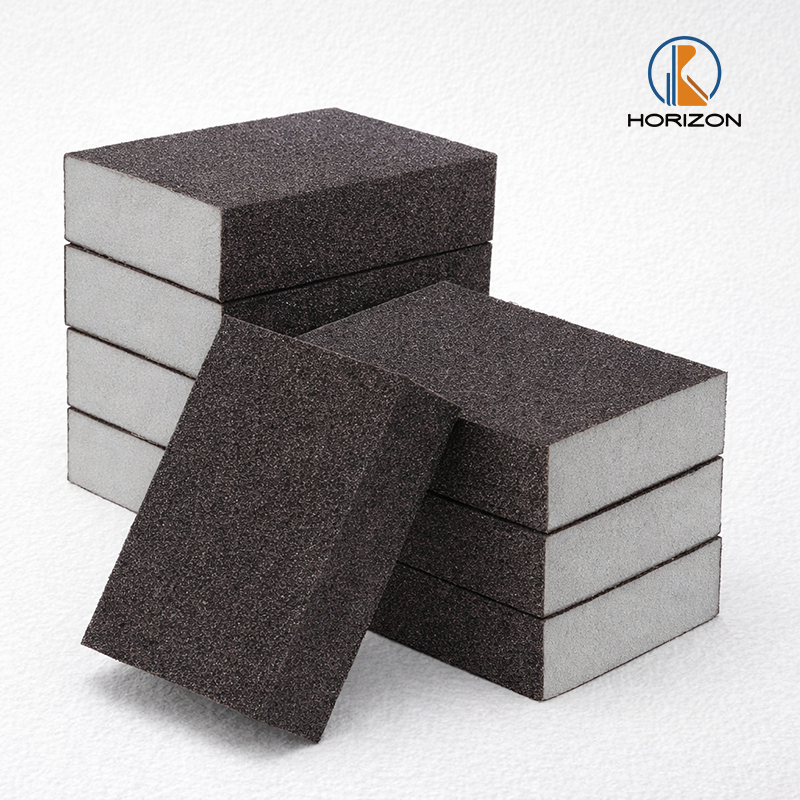
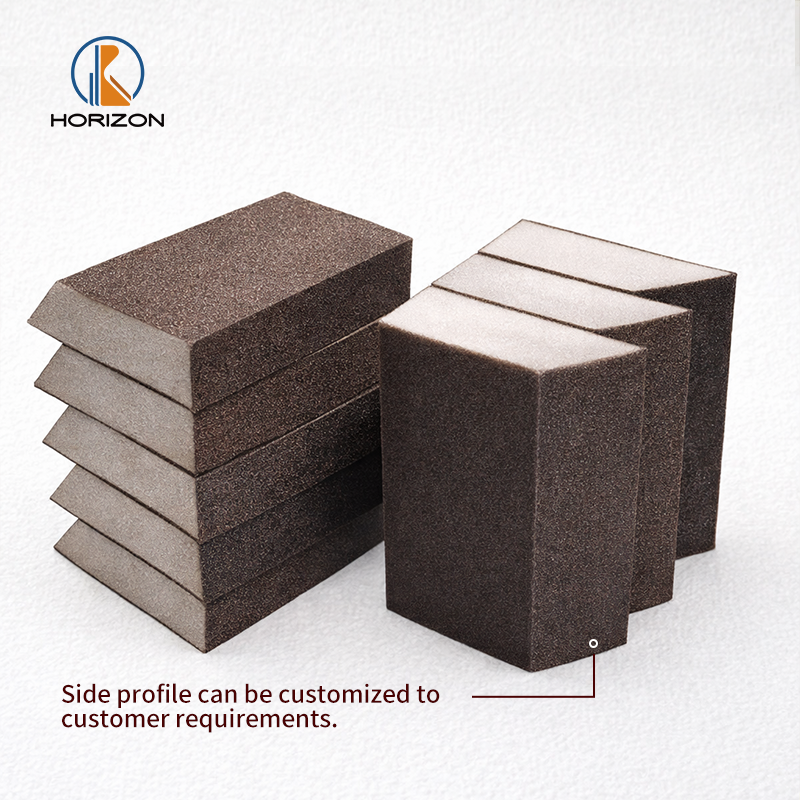
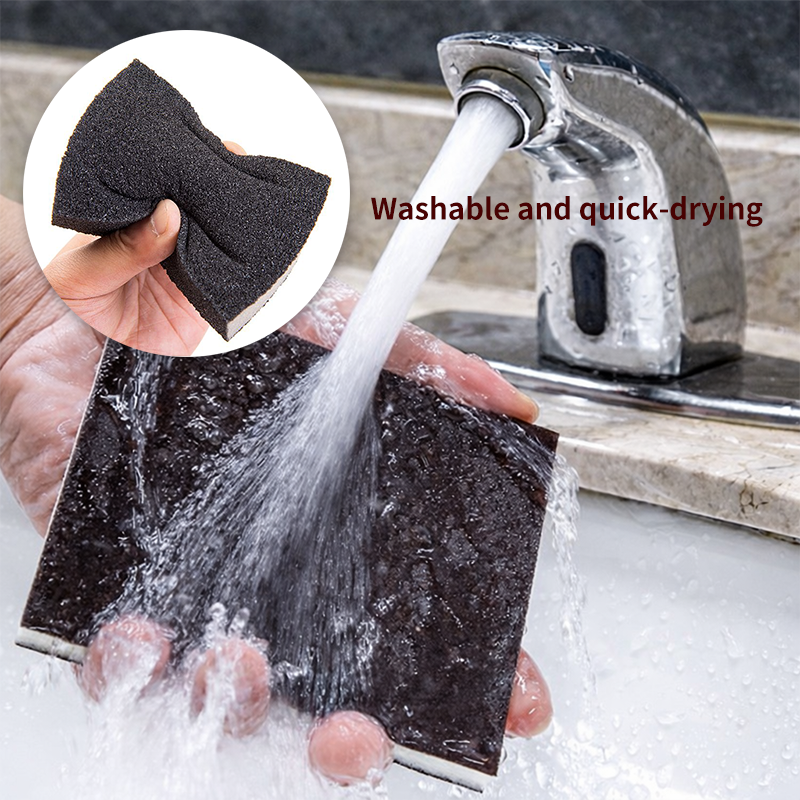
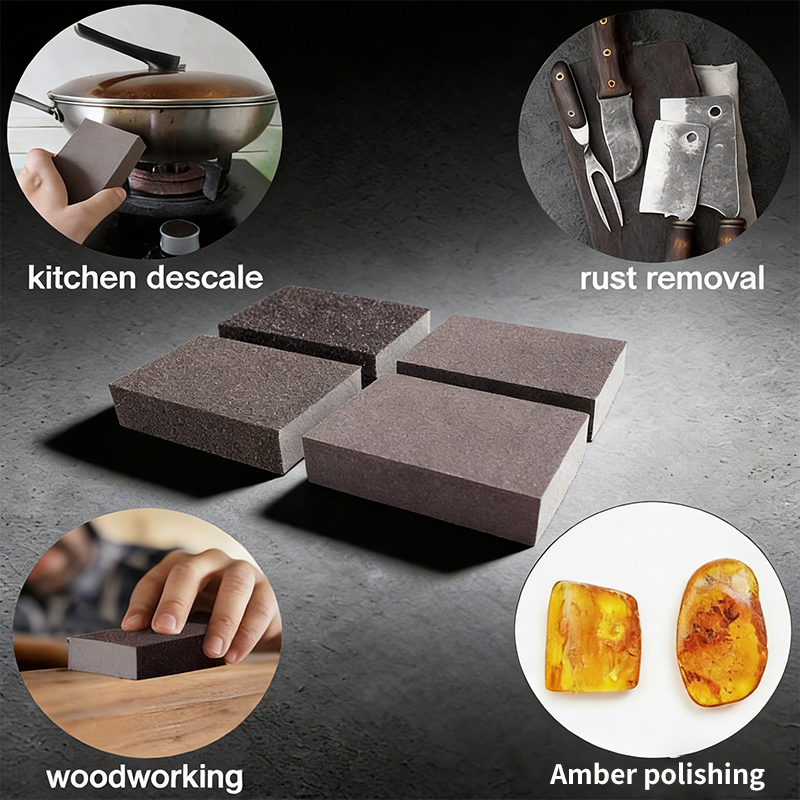
Sanding sponge blocks combine a foam core with an abrasive surface. The compressible foam provides cushioning so the block conforms naturally to various shapes.
Common constructions include single/double-sided coating and 4-sided wraps for multi-angle use and long hand comfort. Key benefits:
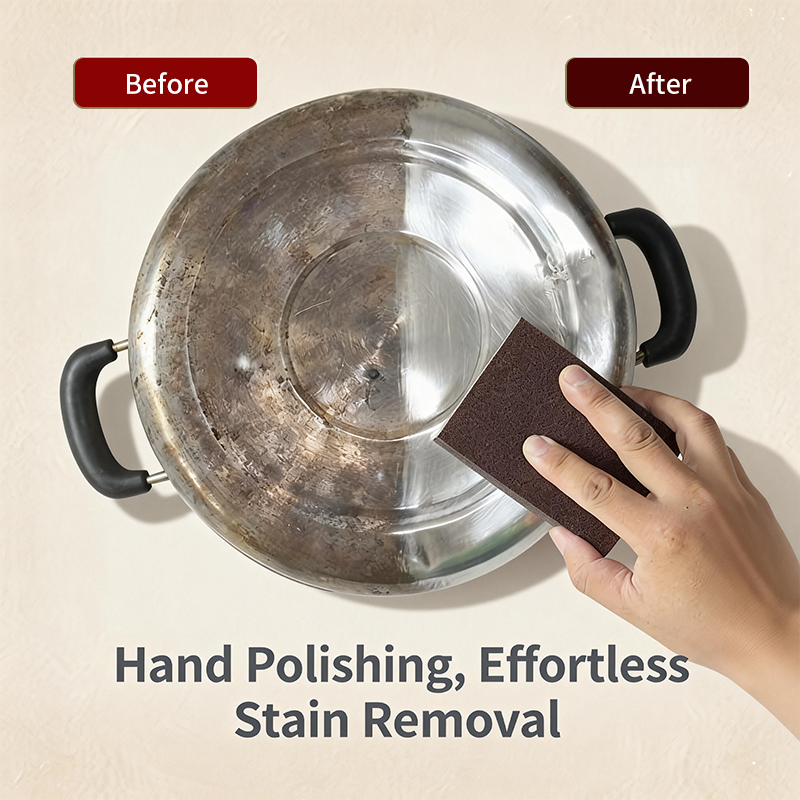
Sanding sponge blocks are positioned as core consumables for hand sanding and detail refinement, delivering edge control, contour conformity, light stock removal, and consistent scratch patterns. They are widely used in woodworking, coating prep, automotive refinishing, and light metal finishing.
They do not replace machine productivity; they solve what machines struggle with—edges, chamfers, curves, small radii, and localized touch-ups—making them one of the most reliable tools in the final finishing stage.
—————————————————————————————————————————————————————————————————————————————————————————-
|
Параметр |
Спецификация |
| Тип продукта |
Sanding sponge blocks |
|
Конструкция |
Foam core + Abrasive layer |
| Форма |
Block/Profiles (Customizable) |
|
Размеры |
Standard/Custom sizes |
| Диапазон зернистости |
P80 – P600 (Extendable) |
|
Плотность/жёсткость поролона |
Soft/Medium/Hard (Customizable) |
| Usage |
Dry/Wet optional |
|
Упаковка |
Custom packaging |
—————————————————————————————————————————————————————————————————————————————————————————-
Hand sanding often fails due to uneven pressure causing inconsistent scratches. Sponge blocks redistribute hand pressure via foam cushioning:
—————————————————————————————————————————————————————————————————————————————————————————-
—————————————————————————————————————————————————————————————————————————————————————————-
—————————————————————————————————————————————————————————————————————————————————————————-
|
Сравнение |
Губчатые блоки | Sheet Sandpaper | Sponge Discs (Machine) |
| Hand comfort | ★★★★★ | ★★★ |
★★ |
|
Прилегаемость |
★★★★★ | ★★★ | ★★★★★ |
| Edge-friendliness | ★★★★★ | ★★★ |
★★★★ |
|
Скорость съёма |
Низкий–средний | Средний | Средний |
| Repeatability | Высокая | Средний |
Высокая |
—————————————————————————————————————————————————————————————————————————————————————————-
—————————————————————————————————————————————————————————————————————————————————————————-
—————————————————————————————————————————————————————————————————————————————————————————-
OEM/ODM supported: foam hardness/thickness, size and profile cutting, abrasive system and grit combinations, single/double/4-sided constructions, dry/wet grades, colors and packaging, and process-based kits—engineered for target hand feel, life, and scratch outcomes.
—————————————————————————————————————————————————————————————————————————————————————————-
Differentiation lies in consistent hand feel: foam density/resilience controls pressure distribution and edge behavior; abrasive uniformity defines scratch consistency and wear curve. We control foam and abrasive systems for batch stability and repeatable hand finishing results.
—————————————————————————————————————————————————————————————————————————————————————————-