
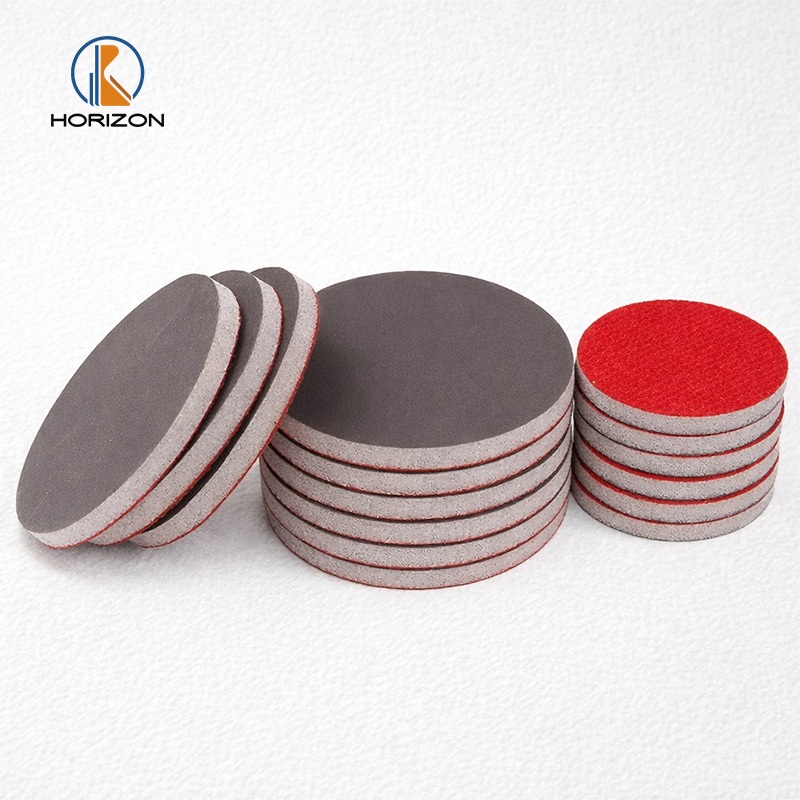
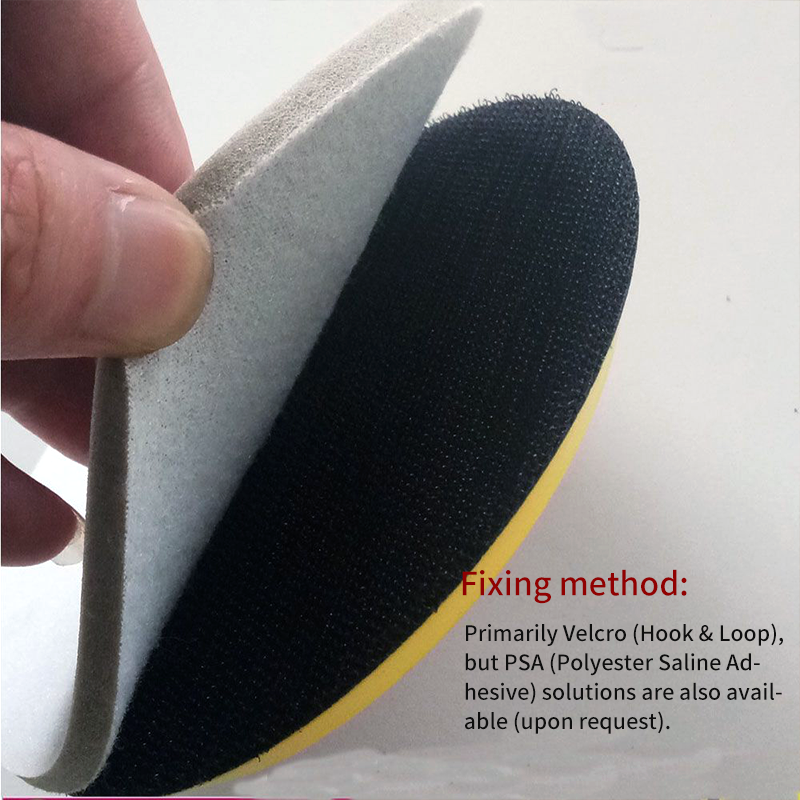
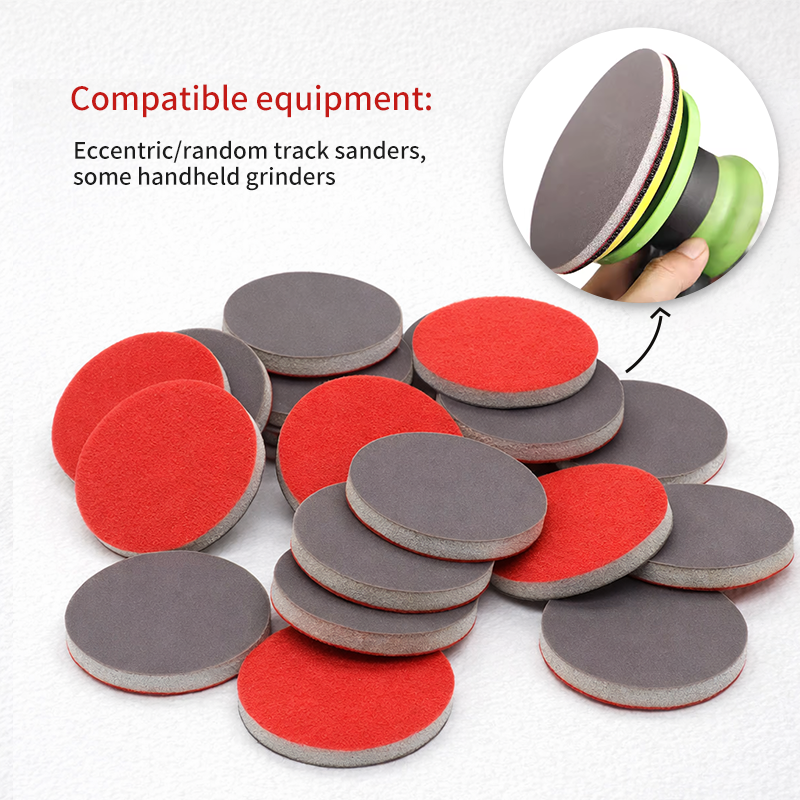
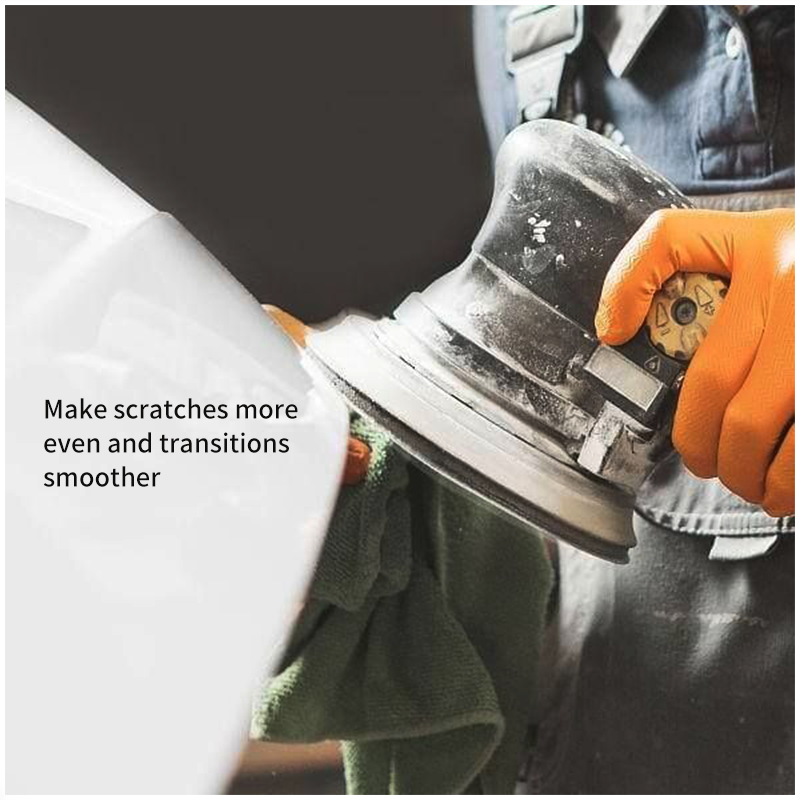
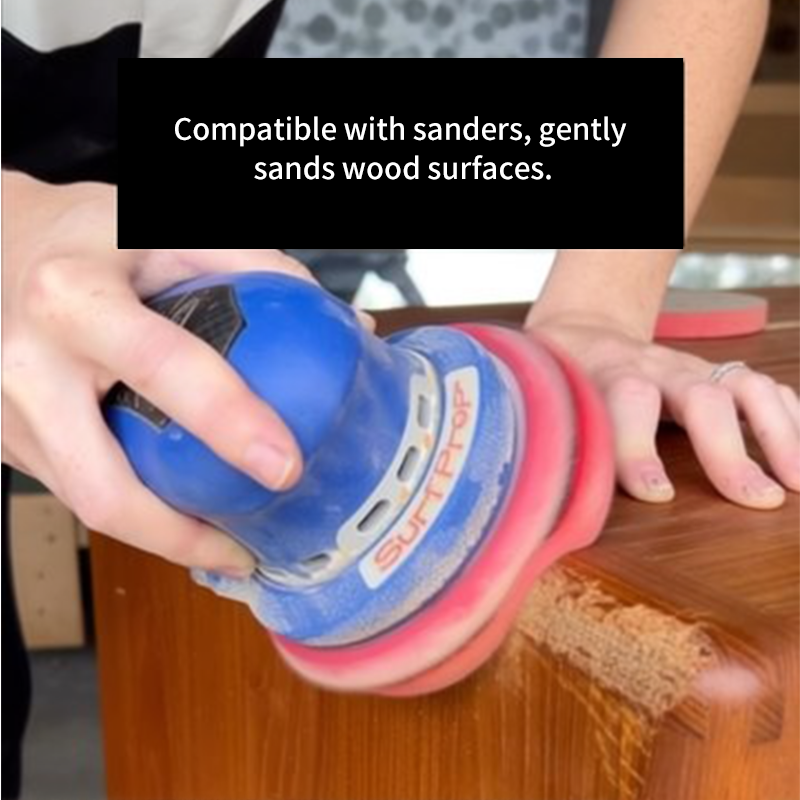
Sponge discs combine a foam interface layer with an abrasive working face (coated abrasive or laminated structure). The foam compresses under sander pressure, conforming to slight curves, edges, and chamfers, resulting in:
Sponge sanding discs are positioned as soft-flex discs in the disc sanding category, designed to improve contour conformity, reduce gouging risk, and enhance scratch uniformity. They are especially suitable for coatings, fillers, primers, wood surfaces, and slightly contoured parts requiring consistent finishing quality.
They are not for aggressive stock removal, but for making surfaces smoother, more uniform, and ready for coating—critical in pre-paint prep and cosmetic finishing.
—————————————————————————————————————————————————————————————————————————————————————————-
|
Item |
Specification |
|
Product Type |
Sponge sanding discs |
| Backing |
Foam interface + Abrasive face |
|
Diameter |
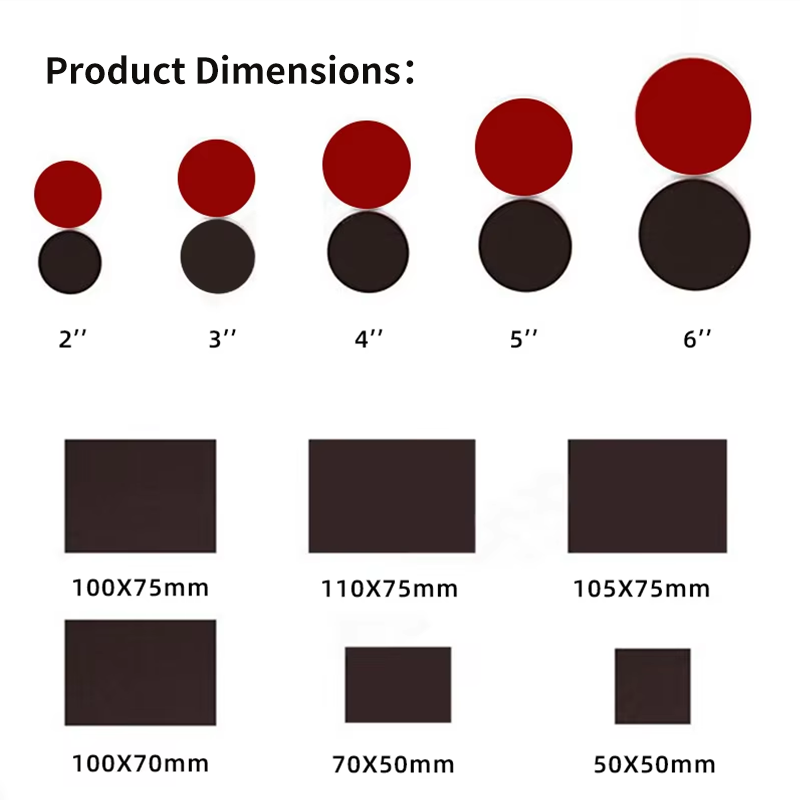
3″ / 4″ / 5″ / 6″ (75–150 mm)(Extendable) |
| Attachment |
Hook & Loop (Velcro) / PSA (Self-adhesive)(Optional) |
|
Grit Range |
P80 – P600 (Extendable) |
| Foam Density |
Soft/Medium/Hard (Customizable) |
|
Color & Form |
Customizable |
| Max RPM |
Marked per size & standard |
—————————————————————————————————————————————————————————————————————————————————————————-
Standard paper discs concentrate pressure on curves and edges, risking gouging, burn-through, or deep scratches. Sponge discs use foam buffering to redistribute pressure into a more uniform contact area:
—————————————————————————————————————————————————————————————————————————————————————————-
Foam compresses under load—excess pressure increases heat, foam fatigue, and uneven scratch patterns (especially at high RPM)
—————————————————————————————————————————————————————————————————————————————————————————-
—————————————————————————————————————————————————————————————————————————————————————————-
|
Comparison |
Sponge Discs | Standard Paper Discs | Mesh Discs |
| Contour conformity | ★★★★★ | ★★★ |
★★★★ |
|
Edge gouging risk |
Low | Medium–High | Medium |
| Scratch uniformity | Excellent | Medium–Good |
Good |
|
Anti-loading on fillers |
Medium–High (structure-dependent) | Medium | High |
| Dust extraction friendliness | Medium | Medium (hole-based) |
High |
—————————————————————————————————————————————————————————————————————————————————————————-
—————————————————————————————————————————————————————————————————————————————————————————-
Typical recommendation
—————————————————————————————————————————————————————————————————————————————————————————-
OEM/ODM supported: foam hardness/thickness, diameter and hole/no-hole designs, abrasive system and grit combinations, hook & loop/PSA options, colors and packaging, and process-based kit programs—engineered for different contours, coatings, and cosmetic targets.
—————————————————————————————————————————————————————————————————————————————————————————-
Sponge disc performance depends on foam density/resilience, composite bonding, and abrasive distribution stability. Foam controls pressure distribution and edge behavior; bonding and abrasive control life and scratch consistency. We engineer for batch stability to make pre-paint prep repeatable.
—————————————————————————————————————————————————————————————————————————————————————————-